| back to blog |
| back to blog |
Don't know about Vocaloid? Do know, but want to read anyway? Let's brush up on the basics! (from 2022, with recent edits)To start, Vocaloid is a singing tool first developed for commercial use by Yamaha Corporation. Hatsune Miku is the face of Vocaloid, but she isn't the first! That started with voicebanks LEON and LOLA in English, and Meiko and Kaito in Japanese. They are software that involves a voice actor behind them singing predetermined sounds, which later can be tuned and turned into vocals in a song. The sounds get combined to form whatever words the producer wants. The name Vocaloid comes from a portmanteau of "vocal" and "android", as they're singing robots! Because it is an instrument, Vocaloid as a musical style is versatile and not defined under one specific label. Rock or classical, jazz or pop, offbeat or conventional. There are lots of different sounds, and there are thousands of producers out there in the world in various languages! The Japanese scene is where it all started, so it is the most developed. There are many musicians and singers that started off in this scene uploading music online for the first time, and over the years, moved away from Vocaloid as they built a professional career in music. One example is Kenshi Yonezu, formerly known as Hachi, who composed for the anime adaptation of Chainsaw Man. The English scene is catching up, though! And alongside producers, a huge part of Vocaloid culture is cover artists. In Japanese, the term utaite (歌い手) is a specific word that differentiates itself from the general term for singer, kashu (歌手). An utaite is a person who sings covers and uploads them onto the video site Nico Nico Douga. It comes from said cover artists putting utattemita (歌ってみた) in their titles, literally "tried to sing". The English version thus became youtaite, a person who sings Vocaloid covers and uploads them to YouTube. There are many utaite that have gone on to become producers themselves, as well as producers that start out using vocal synths but later transition into using their own voice for releases. Then it's no longer a Vocaloid song and it doesn't go on the Vocaloid Lyrics wiki to get picked up by translators... Sad... What makes the Vocaloid scene unique from other music communities online is how much it encourages people to partake in the act of creation. Producers making their own music from scratch often end up learning the skills necessary to do everything themselves - art, video editing, mixing, composing, etc ... Covers are actively encouraged as you're more likely to find a song with an available instrumental than one without. It encourages collaboration if you can't do something yourself and need someone with those skills. I think so much of it comes from a place of love. Take covering a song, for example -- producers upload their songs, singers upload their own take on it, song gets more attention. It's a win-win, a positive feedback loop. And the skills required to be a youtaite are no joke either! Spending 20 hours on a cover that'll get 100 views total is just a part of the job.
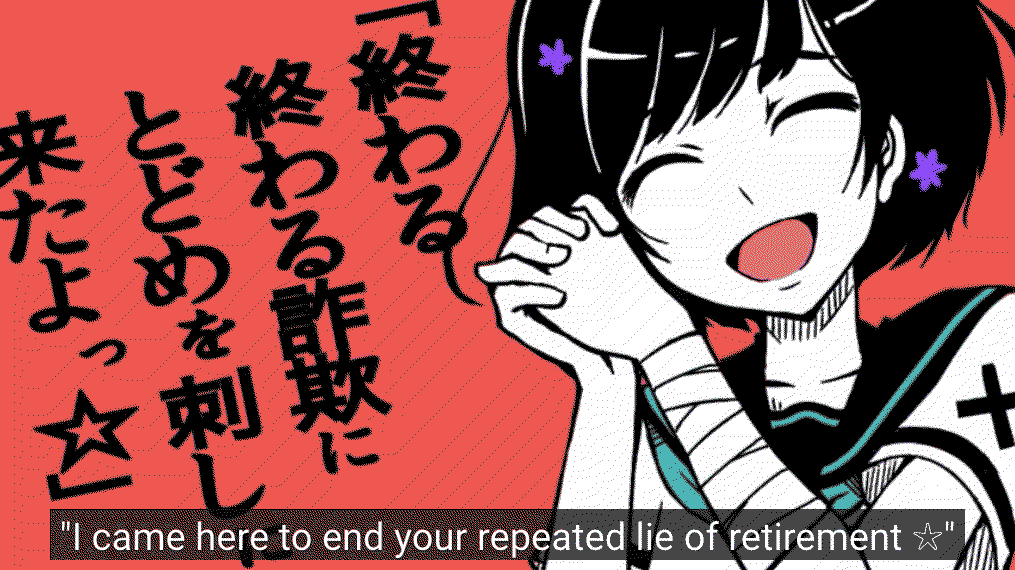
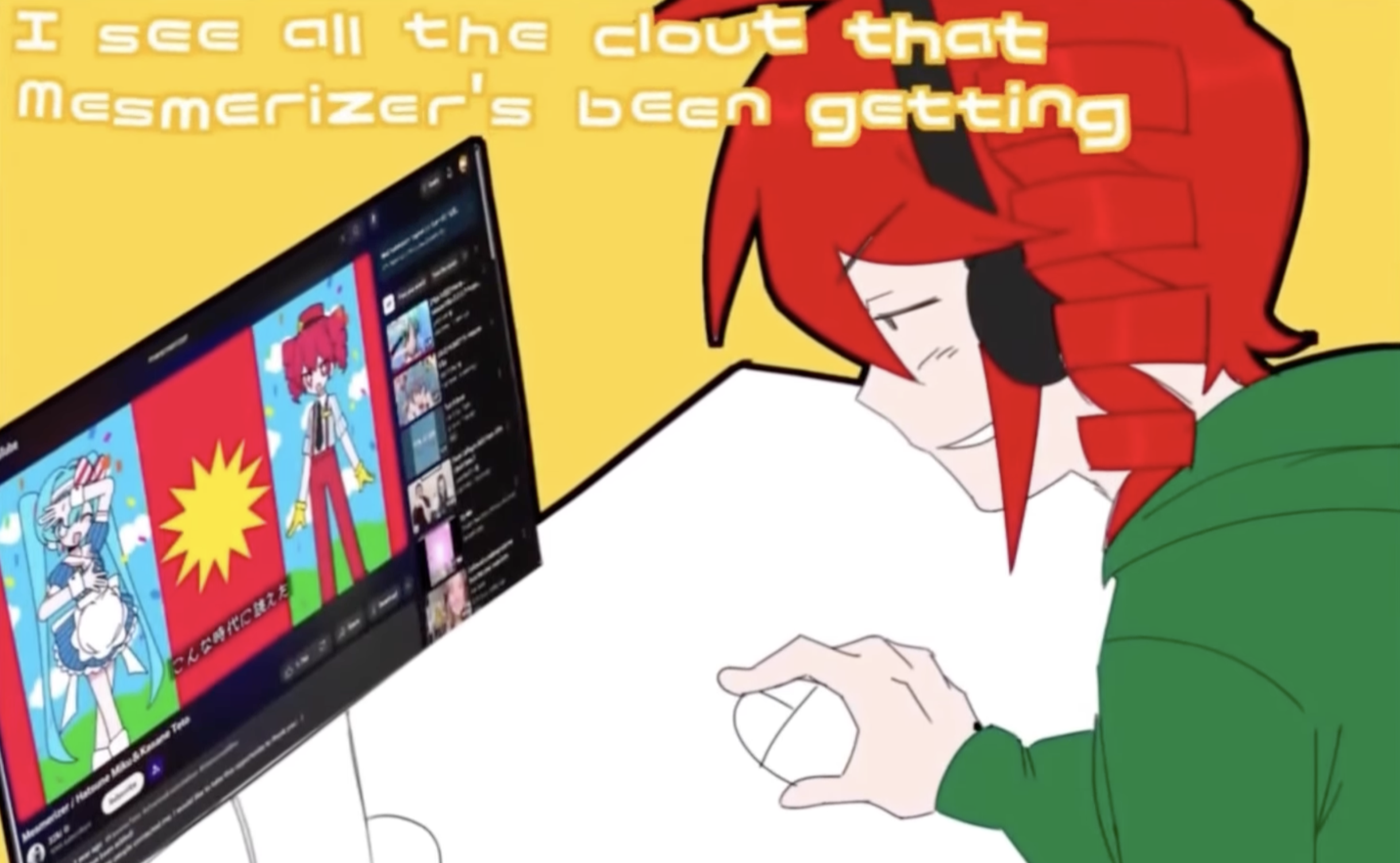
As a product, Vocaloid is a service that requires you to pay to get a license to use the software, but there are also free offshoots of it. Most notable is UTAU, which lets you create and upload your own voicebanks! While Vocaloid updates its software from time to time (We're currently on Vocaloid5, launched in 2018), it also originally released in 2004, and as such has a fairly rich history that can be divided into "eras", depending on the most popular producers at the time. Being 18 years into its lifespan, there also comes this idea that Vocaloid is dying. It was notably brought to attention with Yonezu's brief return to Vocaloid, "Sand Planet", which depicts Miku walking along a barren desert. Then syudou responded to it by calling him an idiot in "Jackpot Sad Girl", or so the story goes... Although this is now a relic of a different time, many old producers have a "-P" at the end of their name, short for producer. The practice stems from the popularity of the series IDOLM@STER, a game where you play as a producer that trains pop stars. In this practice, it's an honorific given by fans to describe an accomplished artist, usually related to their most popular songs or another characteristic about them. Take Vocaliod-P, who gained his name through often having a typo in his works. A RAPIDFIRE 2026 UPDATE ON CULTURE
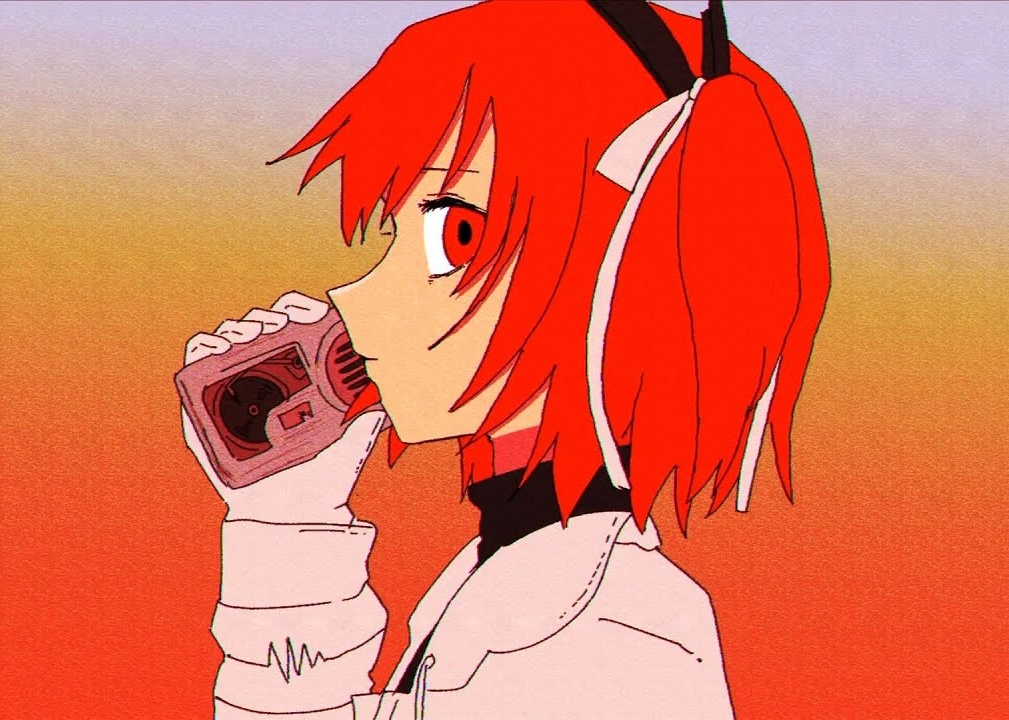
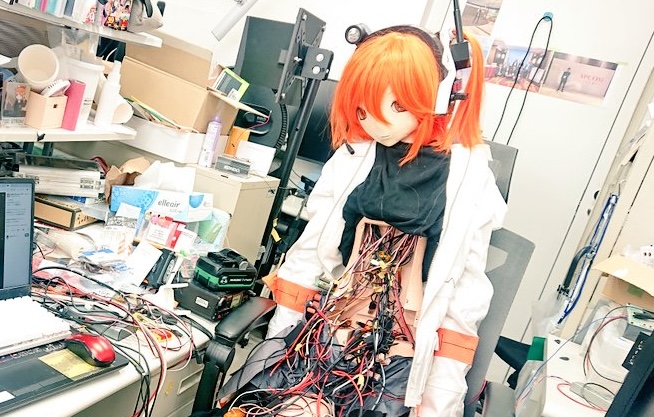
- Something notable I didn't know about previously is VocaColle. It is a bi-yearly online festival where producers and coverists alike post their songs on NicoNico Douga for a chance to showcase their work and recently, compete for a spot in Project Sekai. One song ranked 1st overall, and one song from the Rookie category (producers that debuted within the last two years). Producers even share their stems, but the downloads expire when it's over. Heat Abnormal, Adachi Rei robot + merch explosion
- The English scene has seen even more acclaim than ever!!
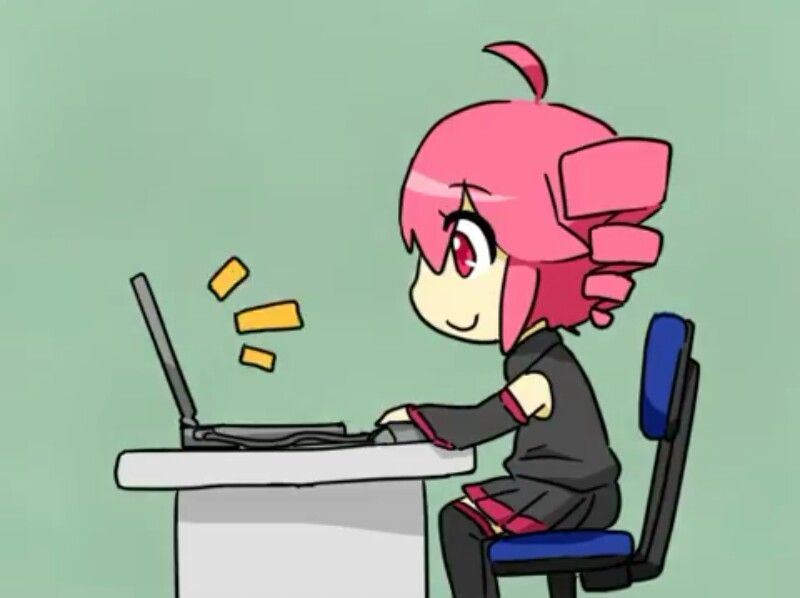
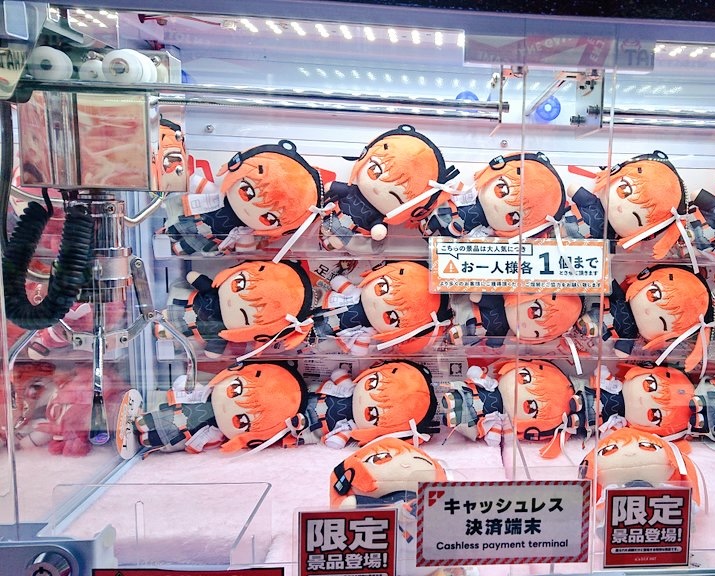
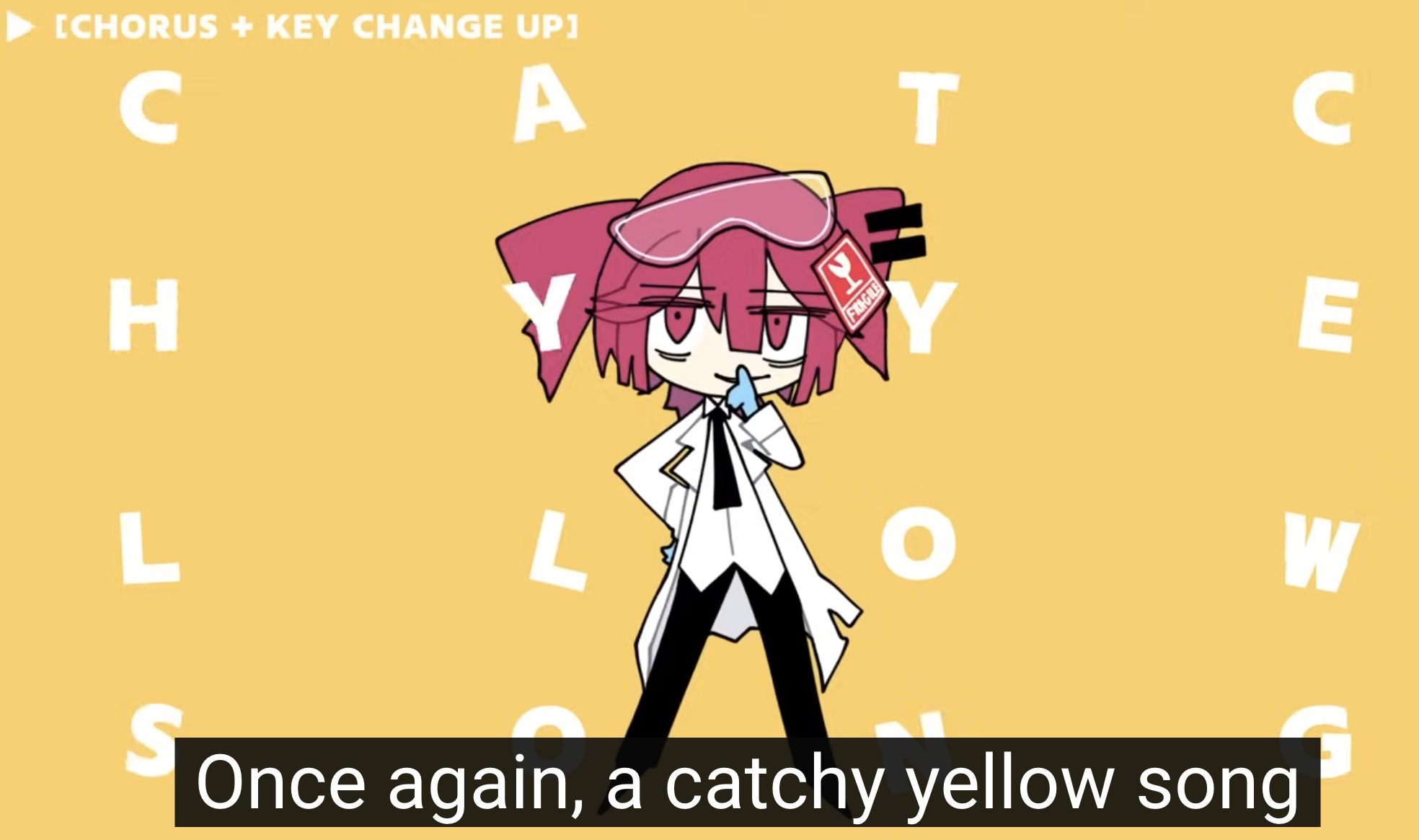
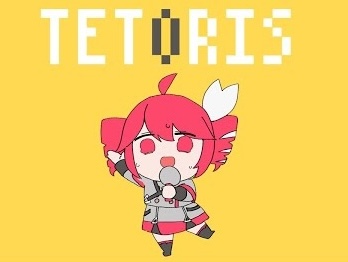
- Kasane Teto (as pictured below) gets a new release porting her from UTAU to a hot new program, SynthesizerV, and blows the fuck up. Every other song is now made with SynthV Teto. ORIGINAL VOCALOID SONG by ShortKing, CATCHY YELLOW SONG by 44e-prone, Tetoris by Hiiragi Magnetite (perhaps the original harbringer?)
- Vocaloid concerts aside from the officially organized Miku Expo are hard to come by over here. But... - No one is arguing anymore about Vocaloid being dead! Yay!! Probably. I think we're too busy complaining about newgens. |